Our Severe learning difficulties (SLD) specialist inclusion base
What is it?
Our provision for children with Severe Learning Difficuties is within our mainstream primary school. It is a Local Authority funded Specialist Inclusion Base for children who have such severe learning difficulties that they cannot be effectively taught within a mainstream classroom. There are 10 places and all children must have Education Health Care Plans (EHCPs). The severity of need is such that other local mainstream schools are unlikely to provide for these children, even with additional support. They must have multi-disciplinary assessments which specify clearly the severe and complex nature of the difficulties and which show clear evidence why the child’s needs can only be met within this provision.
It is not an autism provision although some children may have autism alongside other medical needs, physical disabilities as well as other severe learning needs.
The children come from all over Tower Hamlets and if they do not live nearby then Tower Hamlets SEN Section may agree for transport to be provided.
What is Severe Learning Difficulties (SLD)?
Here are some key characteristics of Severe Learning Difficulties (SLD):
Significant Cognitive Impairments: Pupils with SLD have significant intellectual or cognitive impairments that greatly affect their ability to learn and understand new or complex information. This has a major effect on their ability to participate in the school curriculum without support.
Difficulty with the Curriculum: These learners require support in all areas of the school curriculum and will be working significantly below age related expectations throughout their school career. They will not be able to manage the demands of a mainstream curriculum.
Associated Difficulties: They often experience additional challenges in:
- Communication: Some pupils may use signs or symbols, and some may be able to hold simple conversations and gain some literacy skills. All will require specialist support to communicate effectively.
- Mobility and Coordination: Can have weaknesses in developing motor skills and coordination.
- Perception: May struggle with sensory processing and understanding their environment.
- Self-Help and Independence: Have significant difficulties in developing basic self-care and independent living skills. They will require teaching of self-help, independence, and social skills.
Complex and Wide-Ranging Needs: The difficulties are complex and have a wide-ranging, significant impact on the child's overall attainment and development.
Requirement for Specialist Support: Most learners with SLD need intensive and specialised intervention to make progress.
We have included some reference below to Profound and Multiple Learning Difficulties (PMLD) and to Moderate Learning Difficulties (MLD) in order that it is clear where our Provision falls within the spectrum of learning difficulties and in order that comparions can be made to the key charactertics of Severe Learning Difficulties (SLD), which is our focus.
|
Profound and Multiple Learning Difficulties (PMLD) |
Moderate Learning Difficulties (MLD) |
|
Profound and Multiple Learning Difficulties (PMLD) describes pupils who have severe and complex learning needs. These needs typically involve a combination of a profound learning disability with other significant difficulties, such as physical disabilities or sensory impairments. |
Moderate Learning Difficulties describes when a pupil’s attainment is significantly below age-appropriate levels in most areas of the curriculum, despite receiving appropriate interventions. |
How are children referred to and admitted to the Severe Learning Difficulties (SLD) Specialist Inclusion Base?
It is often a parent who first has a concern about their child not reaching all their developmental milestones. Professionals such as a doctor, health visitor, teacher, or another professional may raise raises a concern. After a range of multi disciplinary assessments assessments there are significant concerns, then with parental agreement, the local authority will be asked to formally assess the child’s educational needs.
Most of the children who come to Bangabandhu’s Severe Learning Difficulties Specialist Inclusion Base will already have an Educational Health Care Plan. A few will be in the process of having their EHCPs finalised, but they will eventually be issued with an Educational Health Care Plan. This is a legal document, which sets out what they need and what should happen to help them do their best at school.
Parents’ views are vital and you should expect to be involved at every stage of the assessment and review procedures.
Can I visit Bangabandhu’s Severe Learning Difficulties (SLD) Specialist Inclusion Base?
Of course visits can be arranged however we have a high number of requests and often from families of children who would not meet the admission criteria therefore in some circumstances we may ask for more information about your child before agreeing to a visit. This then ensures that parent and staff time is not wasted.
To arrange a visit you can ask someone else who already works with your child to arrange this for you, or you can get in touch directly. You are very welcome to bring a friend of relative with you.
Further visits are arranged, once we know a child is joining us. Firstly, someone from their new class will visit the child at their nursery, children’s centre or current school. Then, before they start, children come to visit us at Bangabandhu. Home visits can also be arranged.
What will it be like?
The SLD Base is an integral part of the whole school. At present we have split the SLD Specialist Inclusion Base into groups based on children's stage of development. We have a group of learners who are on the Equals Curriculum informal pathway, and a group of learners who are on the semi formal curriculum pathway. Each group is led by a teacher/lead practitioner and supported by a skilled team of teaching assistants who work across both groups.
We recognise that every child is unique and we adapt and personal children's learning to meet their needs. What this looks like is a very informal classroom layout where children move around and engage in a range of play based and sensory learning experiences with adults supporting, modelling and playing alongside the children.
At different times throughout the day they are in one to one, paired and small group work interventions; working on individual learning needs.
What do the children do?
We have high expectations and ambitions for every single pupil. Our goal is for each and every learner to be the best they can be and do the best they can do, regardless of their disabilities.
During their time at Bangabandhu pupils will learn to:
- Be Independent
- Communicate
- Problem Solve
- Develop important life skills
What curriculum is taught?
We recognise that differentiation from England’s National Curriculum is not sufficient to meet the needs of pupils with severe learning difficulties, because the way such pupils learn is different, and often very, very different from neuro-typical, conventional learners for whom a national curriculum is designed.
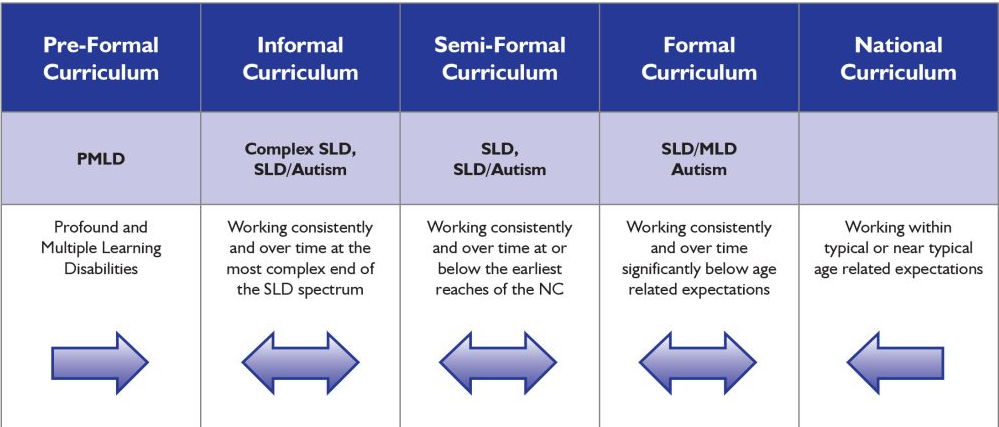
We have adopted and use the EQUALS curriculum, which is a person-centred, multi-tiered curriculum approach for children with severe learning difficulties. Our curriculum is play based and is a multi-sensory approach to learning. Children have access to indoor and outdoor learning throughout the day.
We use the curriculum pathways outlined within the EQUALS curriculum to help develop children’s learning whatever stage they are at.
|
The EQUALS Curriculum
|
Engagement
An essential part of our curriculum is ENGAGEMENT. This refers to the degree of attention, motivation, curiosity, interest and optimism that pupils show when they are developing new skills and knowledge. Ensuring that pupils are engaged is essential for them to develop new skills, concepts and knowledge.
In practice this means that we have to aim for as much consistency and continuity as possible, not just in what we teach, but how we teach and who is doing the teaching.
Our highly skilled practitioners are focused on engaging with children through skillful interactions throughout the day. In order for children to be independent learners, we believe they must have opportunities in the day to learn, play and work independently and our learning environments are set up to enable this. There is a balance of one to one, small group and independent learning throughout the day and week. Click here to learn more about The Engagement Model.
Who else supports the children?
Our class teams are supported by speech therapists, physiotherapists, occupational therapists and a wide range of external professionals and outreach teachers. We work in partnership with parents and carers, inviting them to attend stay and play sessions, events, celebrations and communicate regularly through our online platform Tapestry.
What does the learning look like?
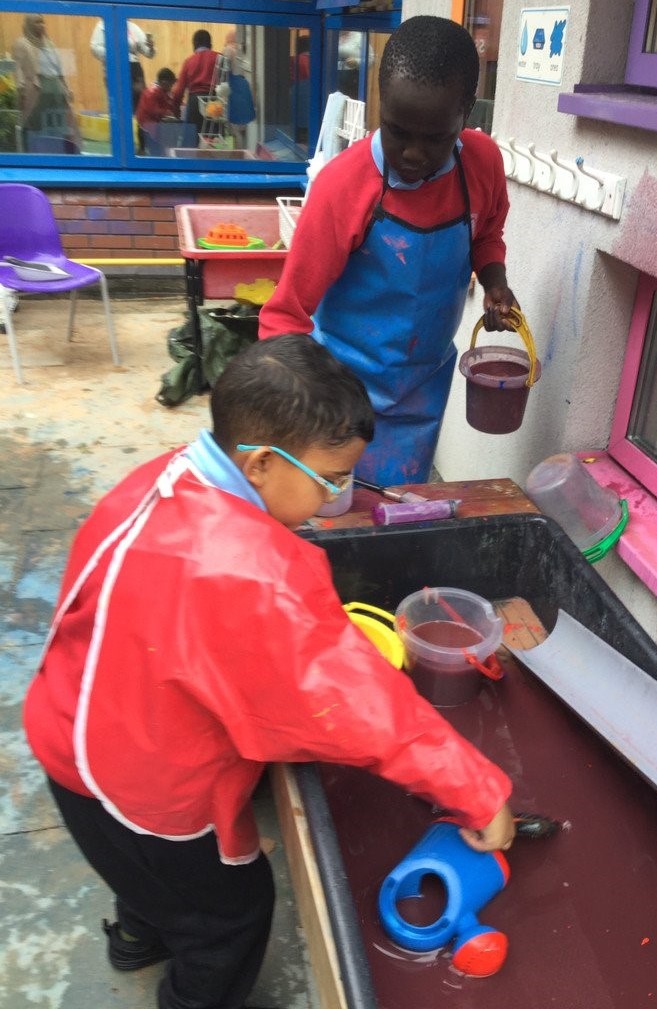
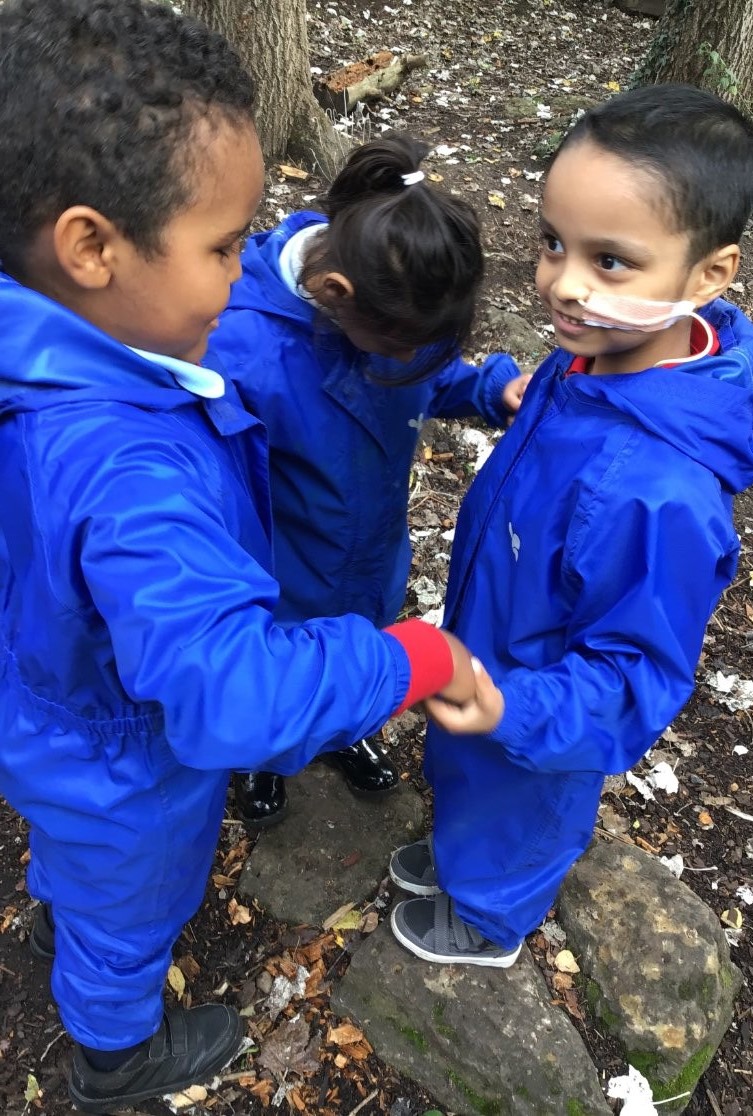
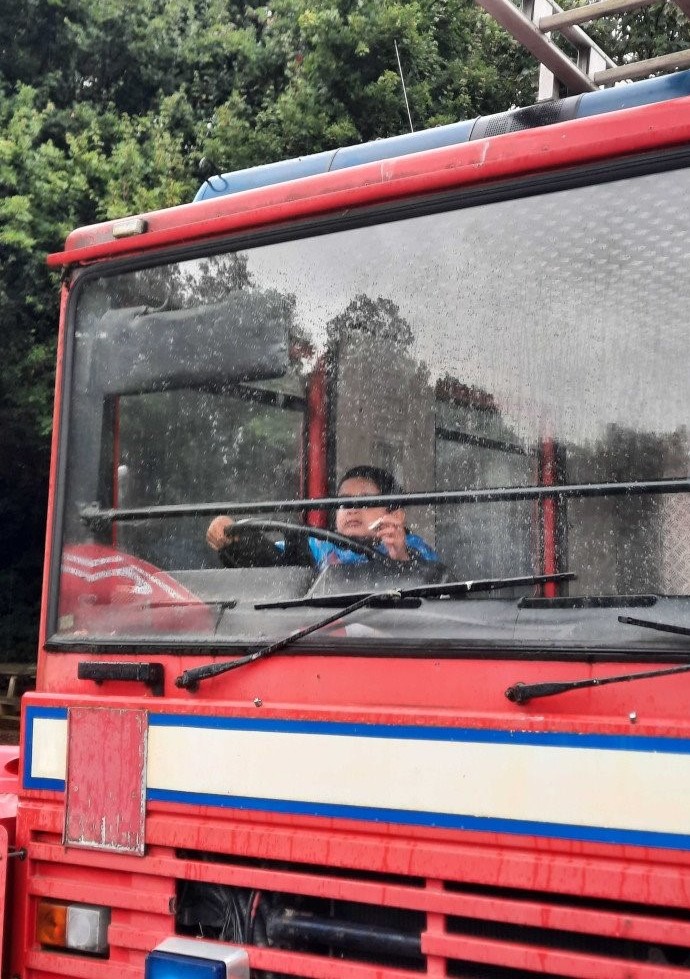
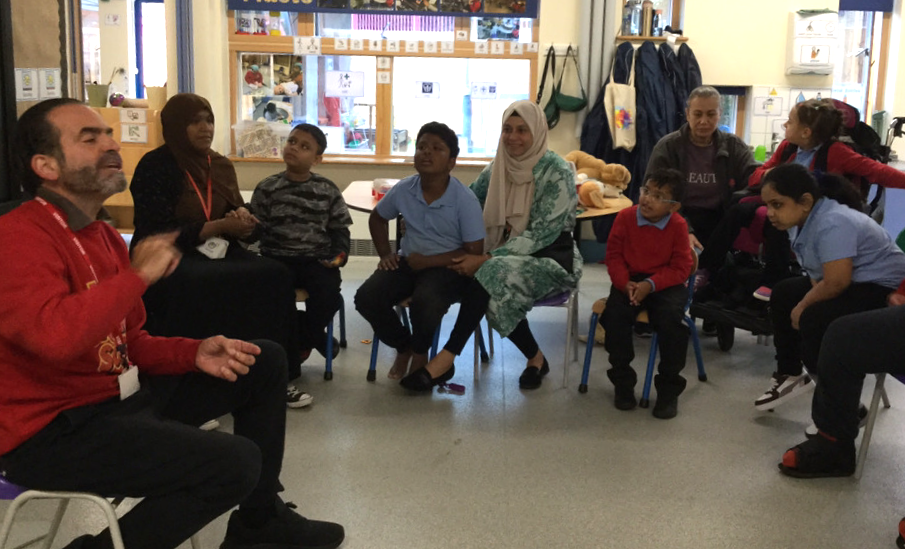
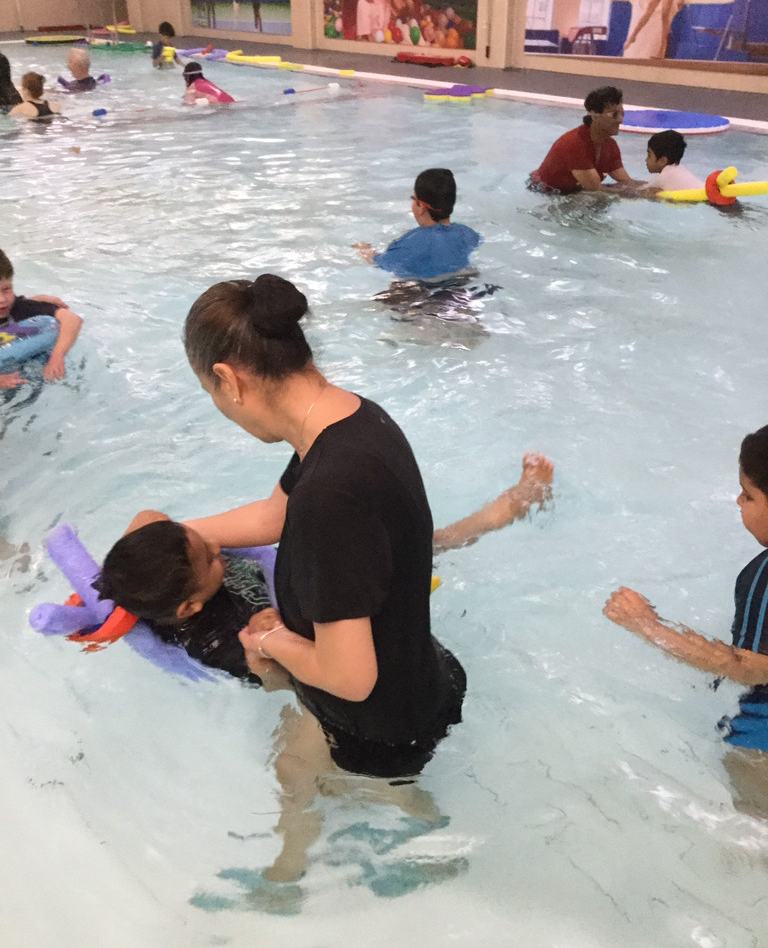
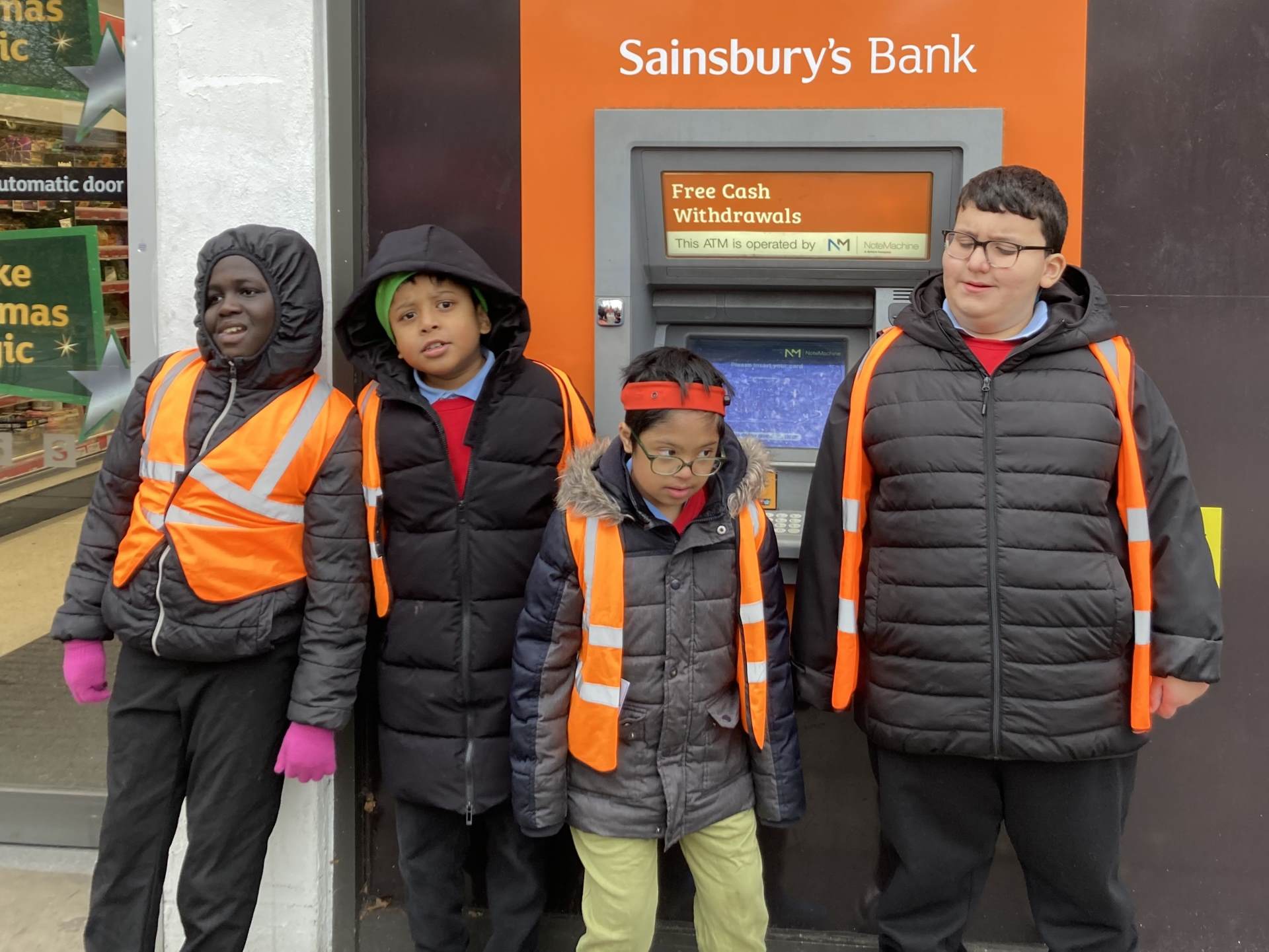
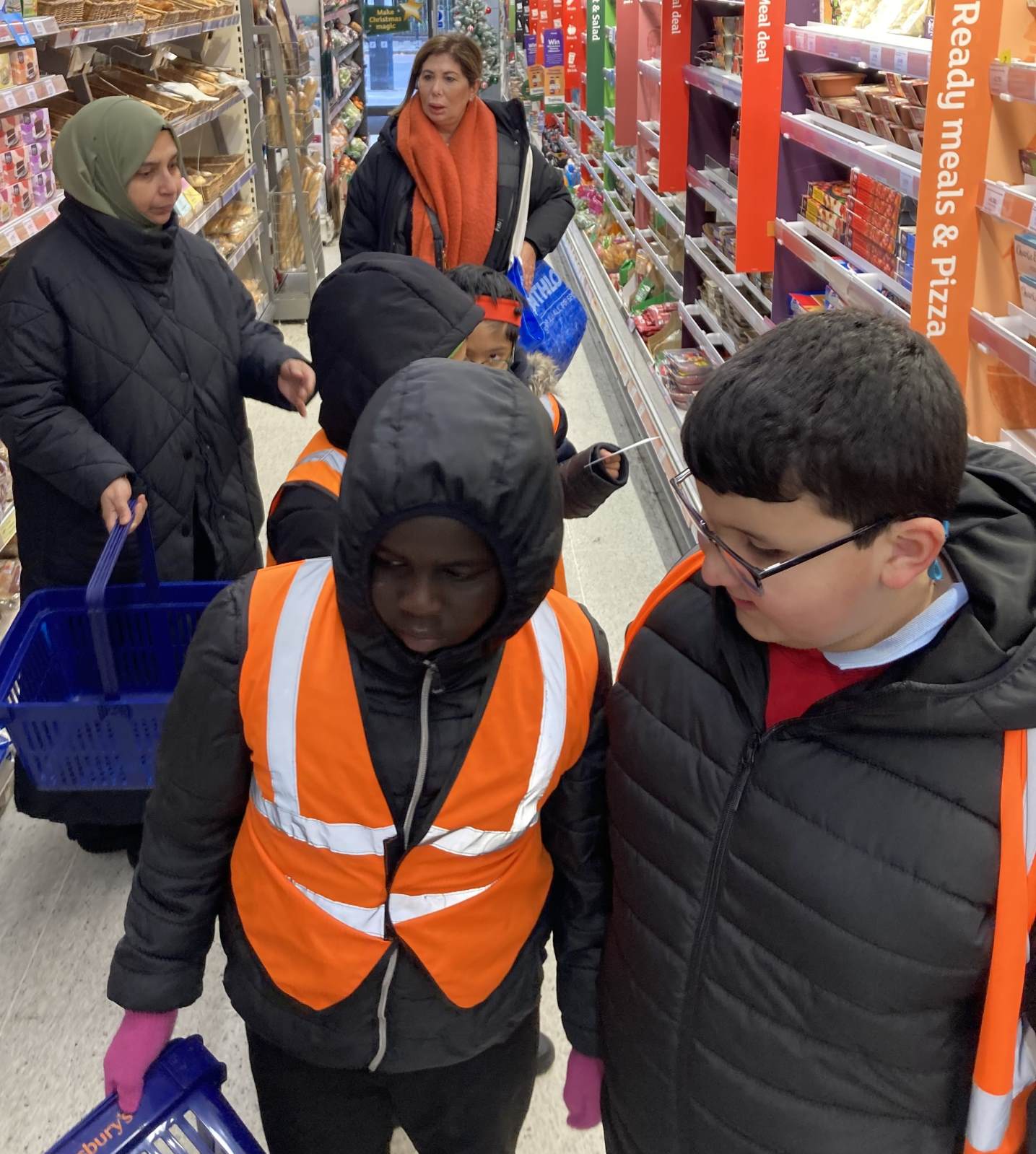
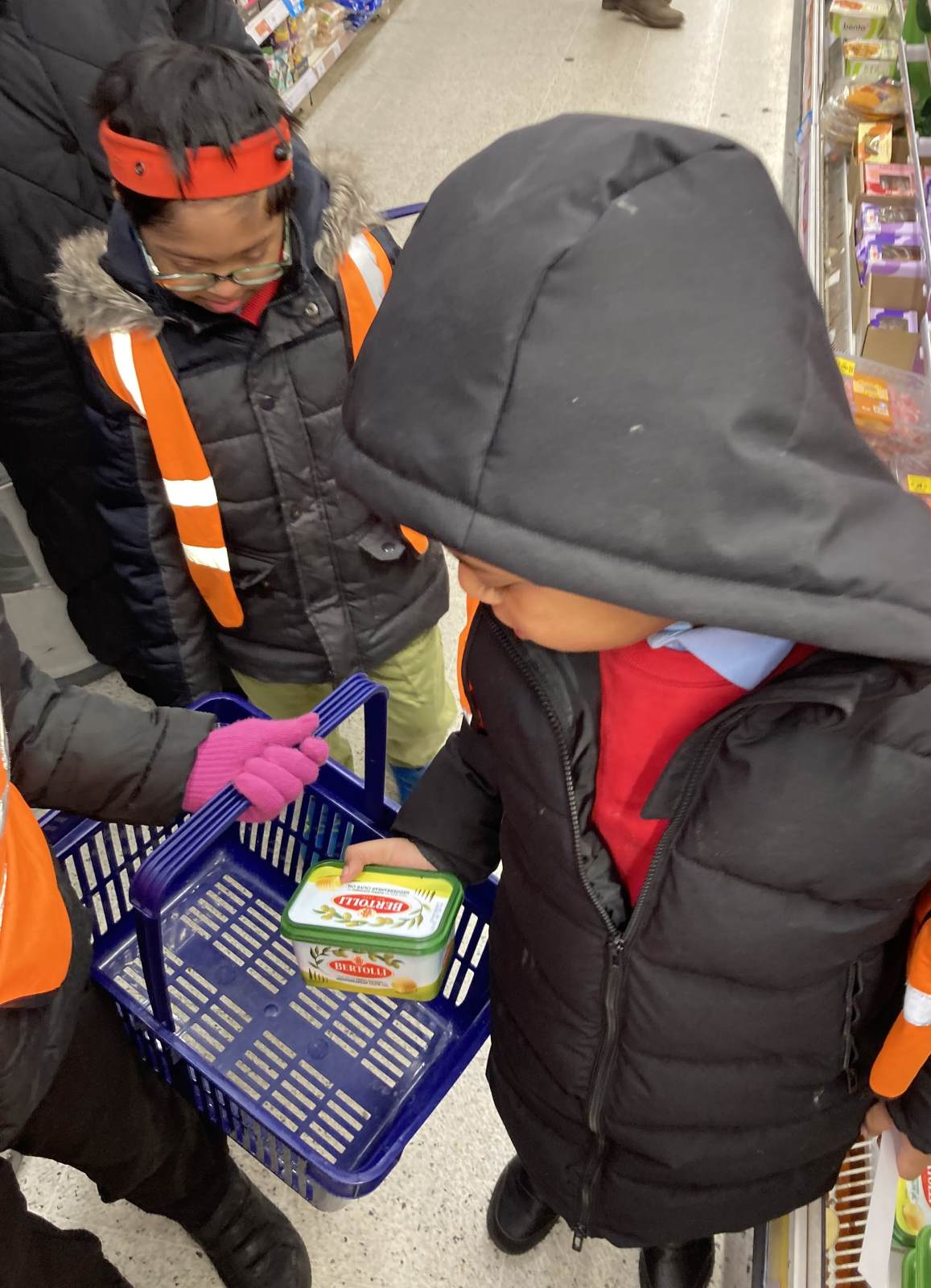
Children are provided with a range of learning experiences on a daily, weekly and termly basis. Here are some photographs showing some of these learning experiences.
|
Indoor and Outdoor continuous provision throughout the day |
 |
|
Forest School |
Trips/Cultural Capital – learning about the world |
|
Weekly music sessions with Corin our specialist teacher and call and response songs throughout the day initiated by children and staff |
|
|
Swimming |
|
|
|
Weekly walks and shopping trips |
|
|
|
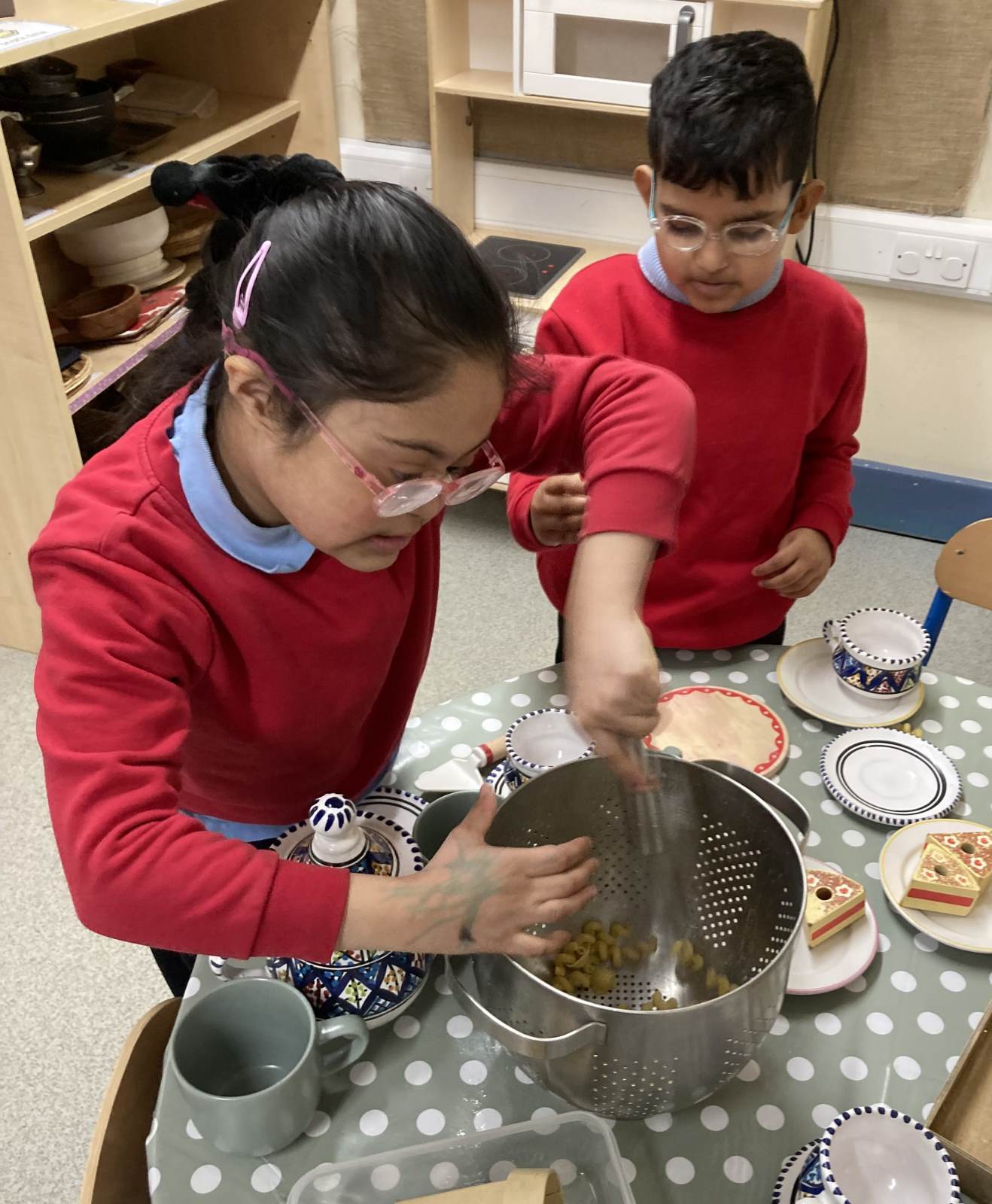
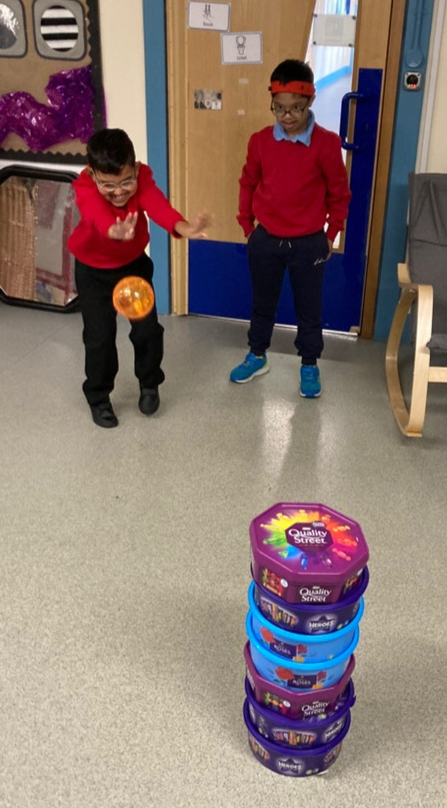 Turn taking games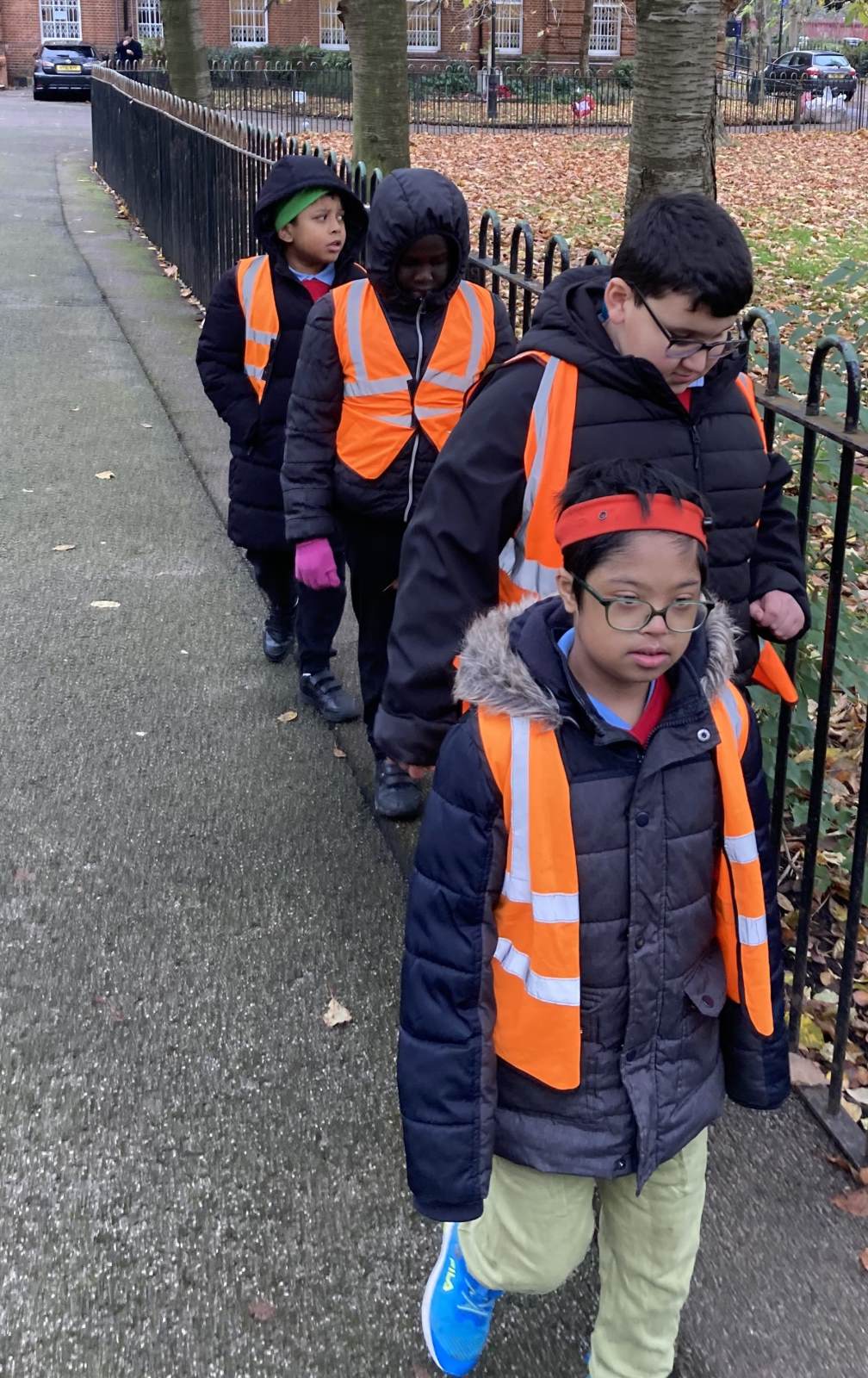
I don’t live near Bangabandhu. How will I keep in touch?
Keeping in close contact with families is a priority. Each child has a home-school book for news and messages and an app called ‘Arbor' which allows parents to receive any news from school on the app. You will also have access to an online learning journal called Tapestry where staff record and photograph children learning. We ask that parents view these entries and also record your own comments and photos of children learning.
If your child is granted transport on the school bus then our passenger assistants and drivers also help keep us in touch.
Parent consultation meetings are held regularly. We also hold a variety of meetings, workshops and special events including class assemblies for parents and we expect that all families will participate.
And finally …
We hope this information answers your questions and gives you most of the information you want at this stage. If it doesn’t then please give us a call.
Support for parents?
Below you will find some resources and links to organisations that you may find useful.
Intensive Interaction - https://www.intensiveinteraction.org/
Tower Hamlets and City SEND Information, Advice and Support Service - https://www.towerhamletsandcitysendiass.com/
This service can help with choosing and applying for schools, EHCPs, short breaks etc. They also run a parents group to meet other parents of children with SEND.
The Local Offer website lists information for all families in Tower Hamlets in areas such as health, leisure activities, childcare and education: - https://www.localoffertowerhamlets.co.uk/
Short breaks enable and support children and young people with a disability to live ordinary family lives, to have fun, try new activities, gain independence and make friends. They provide parents and carers with a short break from their caring responsibilities.
For more information click here .